
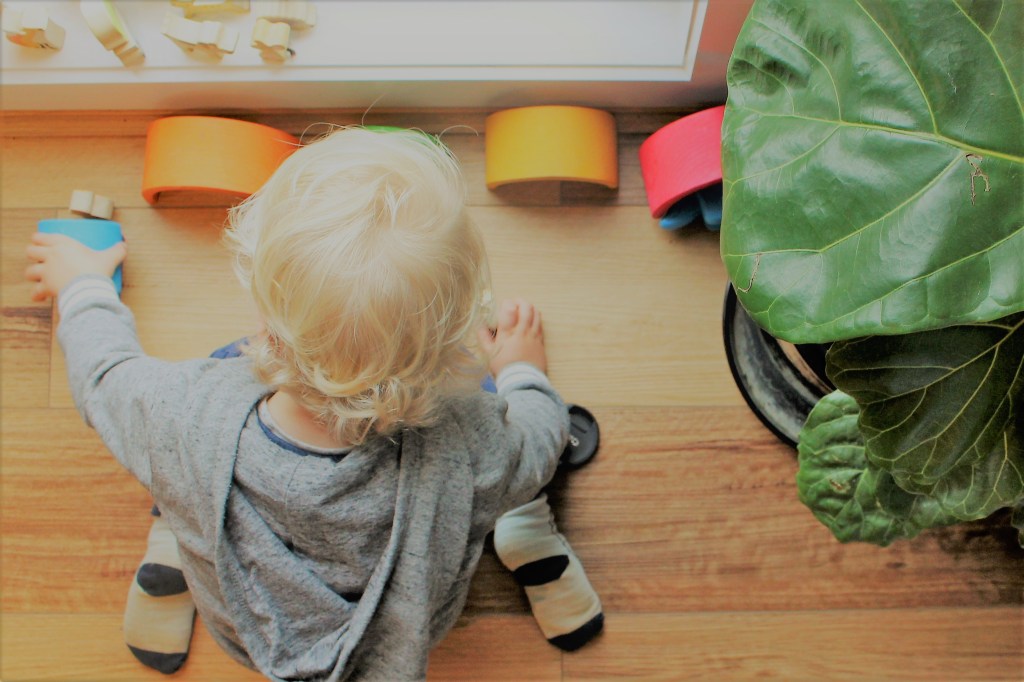
This post is one part of a series on how to incorporate 5 aspects of the Steiner kindergarten program into your Waldorf home. Today we will focus on self-directed play. For an overview of the 5 aspects, click here.
Self-directed play or free play forms a key pillar of the Waldorf kindergarten program. Steiner often spoke of the importance of free play in encouraging healthy childhood development. As academics are pushed on increasingly younger children there is a danger of play being left behind. Reminding ourselves of the importance of child directed play can be a good way to ensure that we create an environment to encourage it.
What is self-directed play?
Self-directed play is guided and initiated by the child. The child is inspired by something (often an object in their environment) and begins to play. It is different to ‘playful learning’ where learning is often masked as play. The impulse to play should arise from within the child and the child is allowed to create their own rules and fantasy world. During child-initiated play you will often notice that the child is utterly immersed in what they are doing and they are completely in the moment. Obviously, there are times when the teacher or parent will need to intervene; if the play is physically unsafe, if it is inappropriate or if other children are being treated unfairly. However, for true self-directed play to occur the play must be led by the child, not the adult.
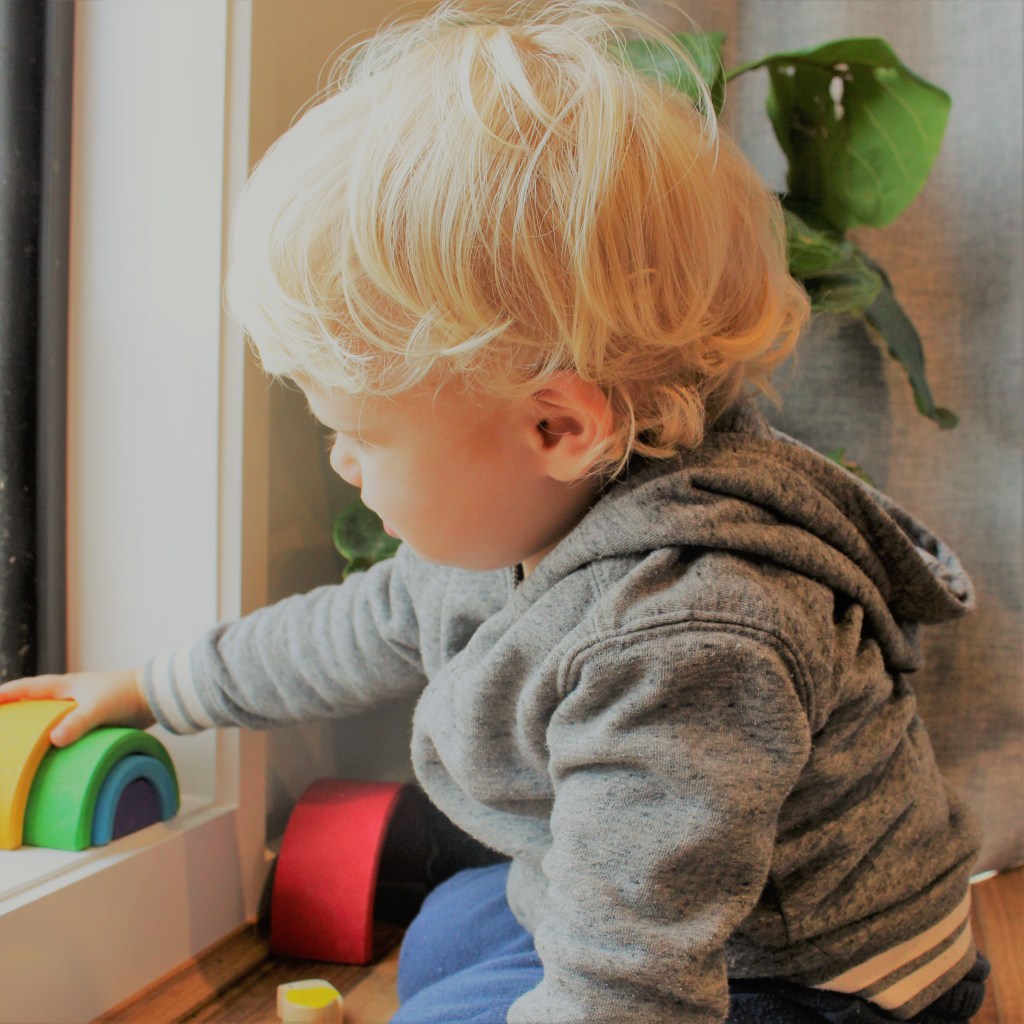
I have seen this type of play take off in my 2.5 year-old recently. He pretends to be characters from picture books by taking on their names and persona. Our favourite book at the moment is Brambly Hedge and if you know this book then these play scenes might be familiar. When he is Dusty the miller he gets ‘flour’ on his top and I have to come and brush it off. When he is Primrose he gets lost in the bush aka our loungeroom curtains and calls out until someone comes to find him. As he is playing his character can change mid-sentence, which makes it hard to keep up!
Benefits of self-directed play
Self-directed play holds many benefits for children. It nourishes all elements of the child; physical, emotional, social and cognitive. It helps the child to make sense of the world around them, encourages them to experiment and helps them to process difficulties which they may be having. I have heard that a child in deep, self-directed play can be likened to an adult in meditation. You might relate to this if you have called out to a child in play, only to realise that they haven’t heard you at all! Comparing play to meditation helped me to understand the importance of deep play. We all know the positive effects of meditation; reduction in stress levels and better mental wellbeing, if child-led play is meditation for the child, then we need to make time for it every day.
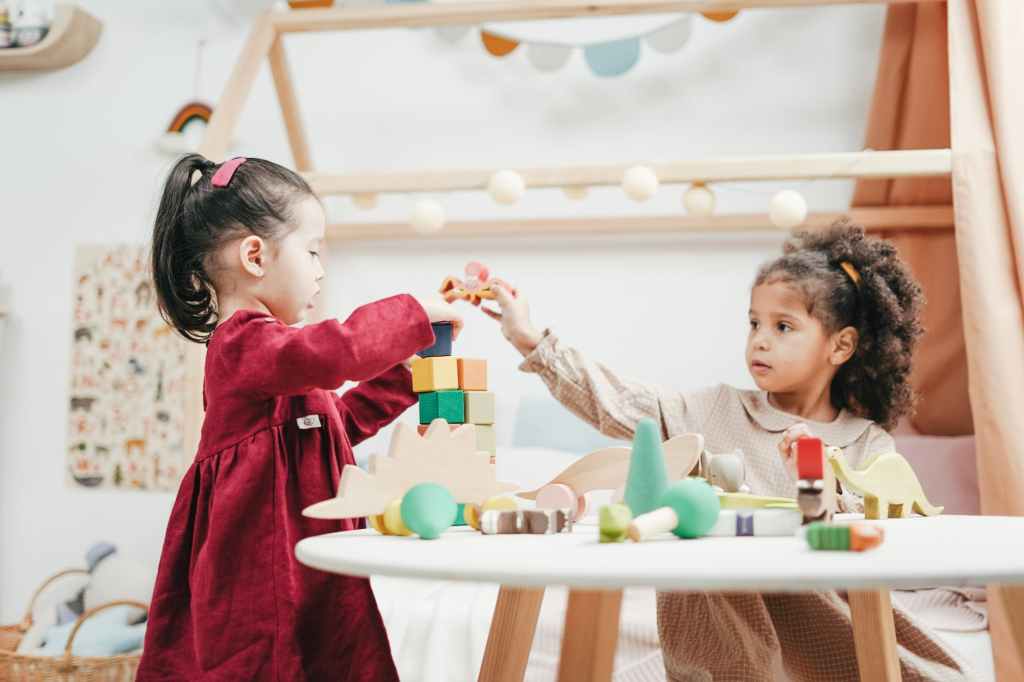
Research shows that child-initiated play promotes healthy childhood development and helps to maintain strong child-parent bonds. Self-directed play also develops social skills. When children engage in play with others they are learning how to wait their turn, negotiate, resolve conflict and to share. They are developing empathy and the ability to listen and to see the situation from another’s point of view. Through play children can learn about physics (what happens if I drop this ball while standing on a chair), chemistry (what happens if I mix water with sand) and qualities of materials (the hard surface of a wooden block feels different to the softness of the play cloth).
‘Play is the work of the child.’
Maria Montessori
In our busy society there is a danger to hurry children into adult roles. In promoting independence we can sometimes leave less time for the important work of childhood – play.
Steiner on play
Steiner often spoke on the topic of play. He discussed the value of play on the soul and spirit, explaining that the benefits of self-directed play in early childhood would not be evident until later in adult life. In particular having the freedom to play is connected with having greater freedom in thought at a later stage. Free play also offers the child the ability to play with ‘destiny’ and to discover their place in the world.
5 Ways to Support Self-Directed Play
1. Time
Giving your child the time to explore and discover is the most important element to facilitate free play. Opportunities for self-directed play present themselves throughout the day, but only if we are able to slow down and avoid filling the space with other activities.
2. Rhythm
Having a daily and weekly rhythm which includes down time can encourage self-directed play. On home days play may occur in the morning, after lunch and before dinner. Some days will be busier than others, but you might know that on the weekend you have more free time and space for play to take place. In our home there is time for free play before and after breakfast, in between the morning chores and after nap time.
3. Observation
Developing your observation skills as a parent can encourage you to take note of your child’s play rather than directing it. There is a time and place for parents to direct a child’s play, especially if the play has become unsafe, but taking a moment before intervening can be an interesting experiment. Often waiting an extra moment means that the play moves onto a different scenario or your child climbs out of that precarious, unsafe position. Observing children also offers us the opportunity to get to know them on a deeper level. Understanding a child’s play can show us any difficulties which they are facing, or demonstrate what they are working on developmentally.
4. Open-Ended Toys
Providing a small selection of open-ended toys and some close-ended ones, will encourage your child to develop their imagination and explore through play. Open-ended toys have the ability to be anything and they can change purpose throughout the play. Purchasing toys made of natural materials that provide children the opportunity to use their imagination can encourage self-directed play.
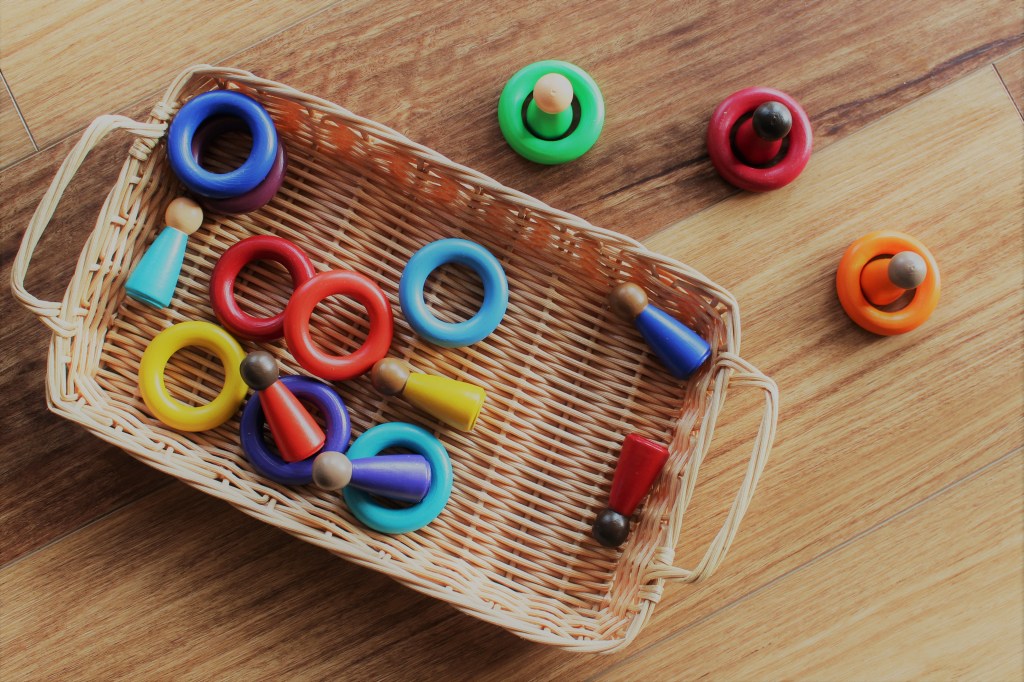
5. Have open-ended toys, but not too many…
Offering a carefully selected variety of toys is consistently linked to better play outcomes. Depending on the age of your child 8-10 toys might be enough. Rotating toys when your child has grown tired of the selection can help your toy shelf to feel fresh without buying new toys.
In the early years self-directed play should engage much of a child’s time. This is not too say that every moment of the day needs to be filled with child-led play – there is certainly a time for ‘playful learning’ or adult-led play, but including more time for free play can offer our children many benefits.
Further reading:
On the Play of the Child – Freya Jaffke
Supporting Self-Directed Play in Steiner/Waldorf Early Childhood Education – Renate Long-Breipohl
The Importance of Play in Promoting Healthy Child Development and Maintaining Strong Parent-Child Bonds – Kenneth R. Ginsburg


 The Steiner Connection
One response to “Self-Directed Play in the Waldorf Kindergarten”
[…] imagination, stimulating their creativity. Waldorf storytelling encourages children to engage in open-ended play, as they recreate and expand upon the stories they hear, fostering problem-solving skills and […]
LikeLike