

The middle years of childhood can bring many challenges; the nine year change, the start of puberty, the tween and early teen years…
How can we assist our children through these changes and nourish their developing senses of smell, taste, sight and warmth?
Read on to find out more…

The Four Senses of Middle Childhood
The four senses of early childhood helped us to relate to our own body.
The four senses of middle childhood (7-14 years) help us to relate to the outside world. Through these senses we can take a part of the world into ourselves.
They are:
- Smell
- Taste
- Sight
- Temperature/Warmth
Smell
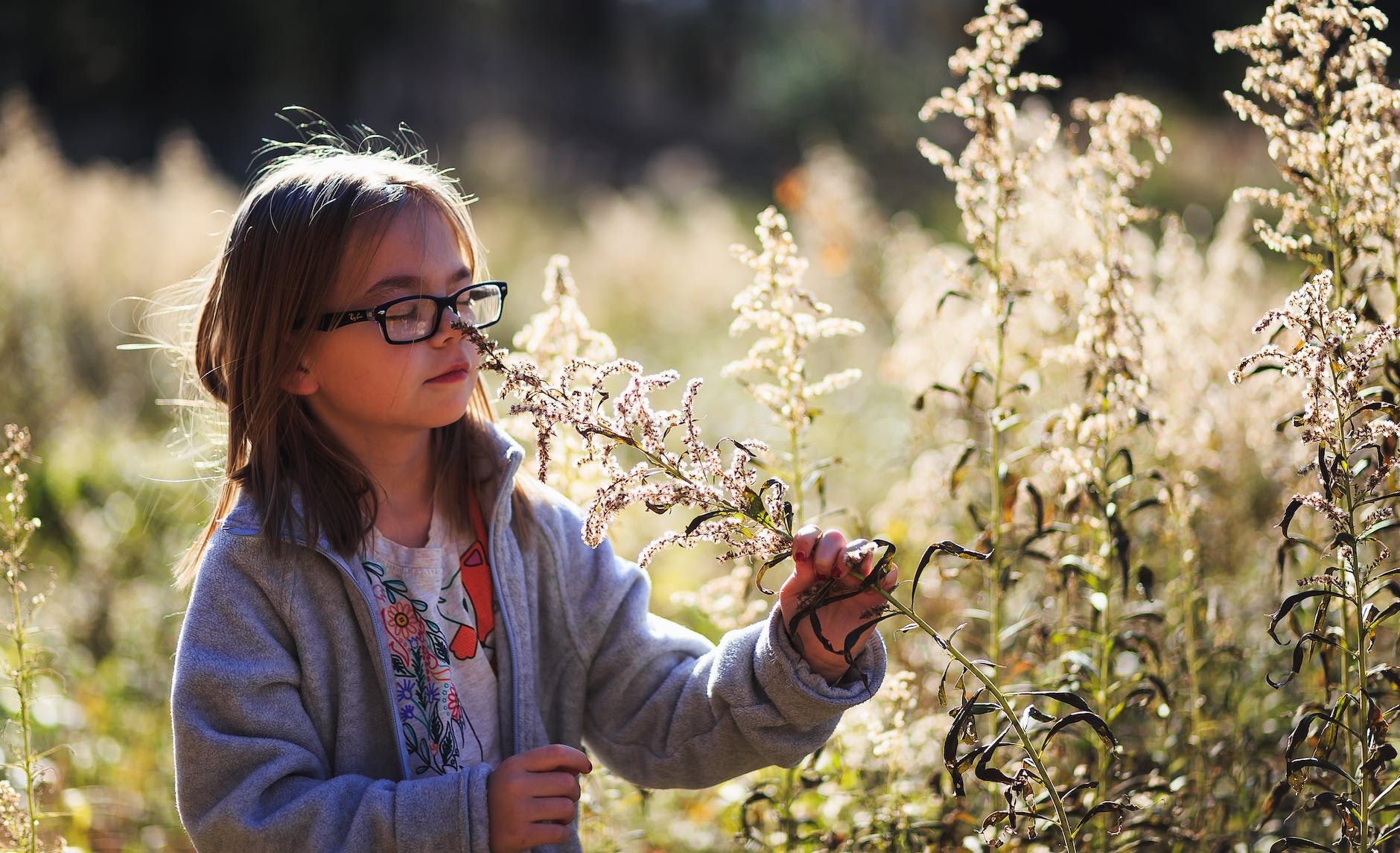
Through the sense of smell we take a part of the outside world into ourselves. Sometimes we choose to engage this sense and other times the external environment thrusts it upon us. This sense can result in a strong reaction.
The over-active sense of smell
A heightened sense of smell and strong preferences for particular aromas may signify an over-active sense of smell. Children with a hyper sense of smell may have trouble being in the same room as a scent which they don’t like and may choose to avoid certain situations where they have previously experienced a strong aroma.
The under-active sense of smell
The under-active sense of smell may present as a child who is unable to identify individual scents and doesn’t notice subtle ones. This child is often unconcerned by social situations where there is exposure to a large number of smells.
How to harmonise the sensory need of smell
The sense of smell helps to guide us through the world. It aids us in learning about others and our environment. Although a child with a high sensitivity to aromas may have trouble in certain social situations, this sensitivity can assist them as they move through life. A child who is particularly sensitive may need to be shielded from certain scents (where it is practical) or pre-warned so that they have time to prepare.
Activities which expose children to a broad range of scents can assist in developing the sense of smell. Cooking a variety of cuisines and spending time in the garden while taking in the smells of different flowers and herbs, are two activities which engage the sense of smell. If a child is struggling to develop this sense, then playing games where the child is blindfolded and they guess the object by scent, is a fun way to encourage development.
Taste
Through the sense of taste we choose to take a part of the outside world into ourselves. When this sense is developing through middle childhood, children may start to enjoy more varied flavours and be open to trying new foods. Alternatively, they may now turn against flavours which they have previously enjoyed.
The over-active sense of taste
The over-active sense of taste may present as a child who is able to accurately identify different flavours in their food. They may prefer to keep their foods separate and to not mix them up. They may choose to not eat certain foods, but may eat a lot of one particular food because they enjoy the flavour so much that they get lost in it.
The under-active sense of taste
The under-active sense of taste may present as a child who is unable to identify individual flavours in a meal. Their palette is less refined and it may be easy for them to try new foods.
How to harmonise the sensory need of taste
Encouraging harmonious family meal times can benefit the sense of taste. However, this is often easier said than done! Developing regular meal patterns and certain expectations surrounding meal times can be a step in the right direction.
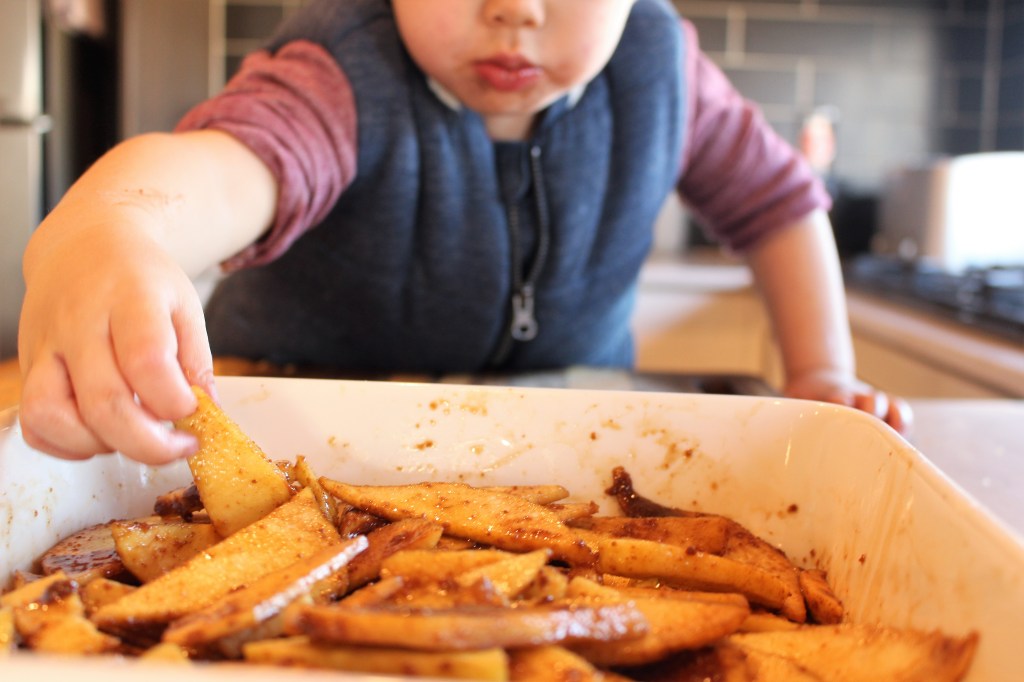
The child with an over-active sense of taste may benefit from being involved in all stages of meal preparation, including; growing the food, harvesting the produce and preparing the meal. Developing an expectation that everyone receives some of each food on their plate can assist the development of this sense.
Children with an under-active sense of taste may need to be reminded to leave food for others in the family if they are enjoying and only eating one particular food.
Sight
The sense of sight allows us to see different colours, textures and light. Everything which a young child sees creates an inner experience. They are sensory organs and unable to filter out unwanted sights.
‘The child is wholly sense-organ.’
Rudolf Steiner – Lecture ll GA 311
The over-active sense of sight
A hyper sense of sight may mean that the child is sensitive to bright lights and colours. They may feel ill or in pain after exposure to overstimulating situations.
The under-active sense of sight
The hypo sense of sight may mean that the child is unable to differentiate between gradients of the same colour. The child may need to view images with more detail or to sit closer to an object to to observe it properly.
How to harmonise the sensory need of sight
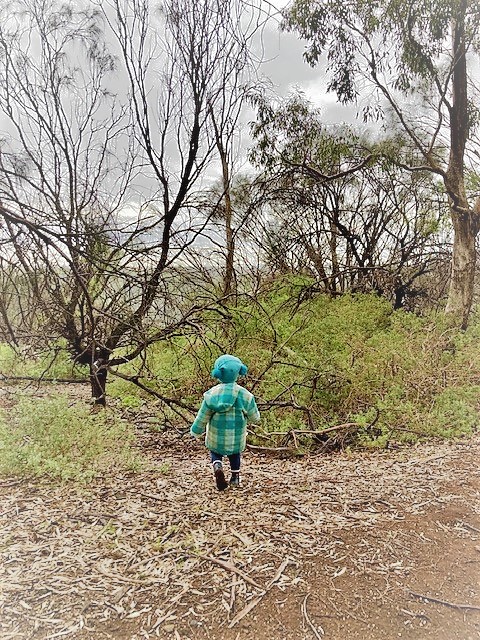
Experiencing the varied colours of nature nourishes the sense of sight. Conversely, images on a screen can negatively affect the development of sight. Gentle colours and soft edges are ideal for children under 7. As they grow older they may benefit from exposure to more detailed images.
Blackboard drawings are an integral part of the Steiner primary school curriculum. They activate the child’s sense of sight without overstimulating it. A rich blackboard drawing full of colour, invites the child to explore through their sense of sight.
Temperature/Warmth
Through the sense of warmth we are participating in an exchange with an external object. When touching a cool rock our body emits heat into the rock and it sends cold to us. We feel the experience as the sensation of cold.
Up until the age of 12-14 when this sense is fully developed, the parents or adults surrounding the child are responsible for monitoring the child’s sense of warmth. When a young child is running around barely clothed in cold weather, they don’t feel the cold – the sense hasn’t matured yet.
The sense of warmth is concentrated in the heart and when fully developed it can allow us to discern the level of ‘soul warmth’ which emits from others.
The over-active sense of temperature
An over-active sense of warmth can make it difficult for the child to be comfortable. They will notice and feel subtle changes in temperature. They may find it difficult to maintain their own body temperature.
The under-active sense of temperature
An under-active sense of warmth may mean that the person doesn’t know how to dress for varying weather. They may over/under-dress for an occasion. Children with a hypo sense of warmth may overheat or not notice when they are cold.
How to harmonise the sensory need of temperature
Maintaining a warm home can benefit the sense of temperature, as can experiencing the natural elements in appropriate clothing. Cotton, wool and silk are natural materials which all breathe on the skin and can assist the body in self-regulating it’s temperature.
Ignoring the cold and not dressing appropriately for the weather means that the body has to work harder to create warmth. This takes the focus away from the growth forces and healthy organ function. Covering the chest, kidney area, calves and feet properly is particularly important.
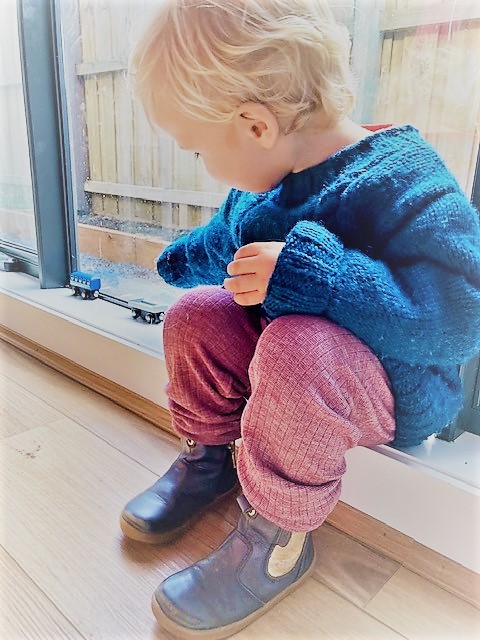
During early childhood parents will need to develop expectations around wearing appropriate clothing in cold weather. In our family this is often a challenge! My boy would be happy to run around outside with only a t-shirt on in winter.
Developing expectations that in winter we wear socks, shoes, a jacket and hat when we go outside has been helpful in getting my boy appropriately dressed for the the colder weather.
As children reach middle childhood they will have more say over what they are wearing. However, they may still need frequent reminders to put layers on in winter or take them off in summer.
This sense is also linked to having warm relationships where genuine interest is shown in one another.
I hope this post has given you some ideas of how to harmonise the senses in middle childhood.
Have you witnessed any of these senses developing in your child?
Further reading:
https://www.seasalthomeopathy.com.au – Lisa Romero
Man’s Twelve Senses in Their Relation to Imagination, Inspiration, and Intuition – Rudolf Steiner


 The Steiner Connection