
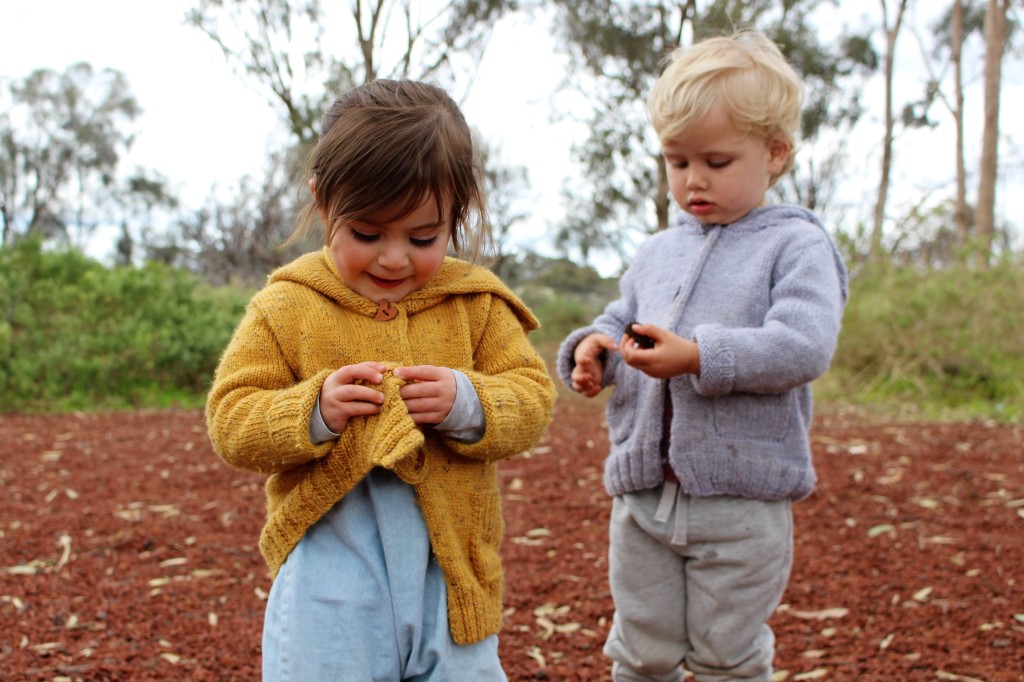
The warmer spring weather and lengthening days has encouraged us to spend more time outside. More time in the mud, digging in our half-finished backyard, weeding in the veggie garden and exploring our local parks.
Last week we got our hands dirty and made charcoal paint. See our simple process at the end of this post.

Fostering an appreciation for nature
Our term with Eco Explorers bush playgroup has developed my son’s love for the outdoors even further. In our weekly hour and a half sessions we have searched for animal homes and animal tracks, we have found caterpillars, worms and spiders, and even witnessed a spectacular stand-off between a flock of cockatoos and a ring-tail possum… Don’t worry the possum escaped unharmed!
In these sessions children and adults are encouraged to slow down and observe their surroundings. There’s time to sing, play in the bush kitchen, craft and enjoy toddler-led bushwalks.
As we moved through the term I noticed that my own observation skills were improving. At the park with my son I started to notice the changing leaves and flowers emerging. We now take the time to find small creatures and treasures before rushing onto the playground.
It’s incredible how a short weekly session can impact the rest of our daily lives.

What is nature based play?
Simply put, nature based play is any activity outdoors where the child engages in play, using materials from the natural environment. The play can involve water, sticks, rocks, sand, shells or other natural materials. The activity can be completely unstructured such as self-directed play or it might involve adult direction.
Why is nature play important?
I have observed many benefits of nature play in our life. It improves mine and my son’s mood, gives a rhythm to our day and fosters our relationship and connection.
Here are a few benefits which have been shown in the research:
Nature play benefits:
- Move movement and physical activity.
- Exploring physical movement is essential for healthy childhood development. Taking children outside gives them the space to move their bodies.
- Increased confidence and lower levels of anxiety.
- Playing outdoors leads to more unstructured, child-led play. This can lead to improvements in confidence and mood. I also find that behavioral issues often dissolve as soon as we step outside.
- Teaching responsibility to and respect for the environment.
- Keeping a small garden or even a single pot plant can encourage children to develop more awareness of the environment. Watering the plant and keeping it alive fosters a sense of responsibility.
- Reduction in stress and fatigue
- Green spaces encourage our brains to relax which can give us an energy boost. Something most parents could benefit from!

1000 Hours Outside
Ginny Yurich at 1000 Hours Outside shares an inspiring message of getting kids to spend more time outdoors. Her Instagram, blog and resources are aimed at getting more people to spend more time outdoors. The idea is to spend 1000 hours outside in a year. This can seem like a huge undertaking, but any extra time spent outside is beneficial, even if we don’t reach the full 1000 hours.
I make it one of our aims to take my son outside every day. Although I’m not tracking our time spent outdoors and I’m unsure if we would reach the 1000 hours goal, getting outside each day has had such a positive impact on our life.

Outdoor nature based paint
Engaging in art-based activities outdoors can give us another reason to get outside. It also reduces the mess indoors. Win-win!
In this painting activity your child will engage their sense of:
- Balance, especially if they are in charge of carrying and tipping the water.
- Self-movement, they will feel the muscles of their arm, hand and upper body moving through space.
- Life (wellbeing), seeing the task through from start to finish improves the life sense.
- Touch, the various textures of the natural materials in their hands and perhaps the charcoal paint as well!
Nature play activities for toddlers (such as this one) refine fine motor skills, encourage exploration, develop imagination, and build pre-literacy skills.
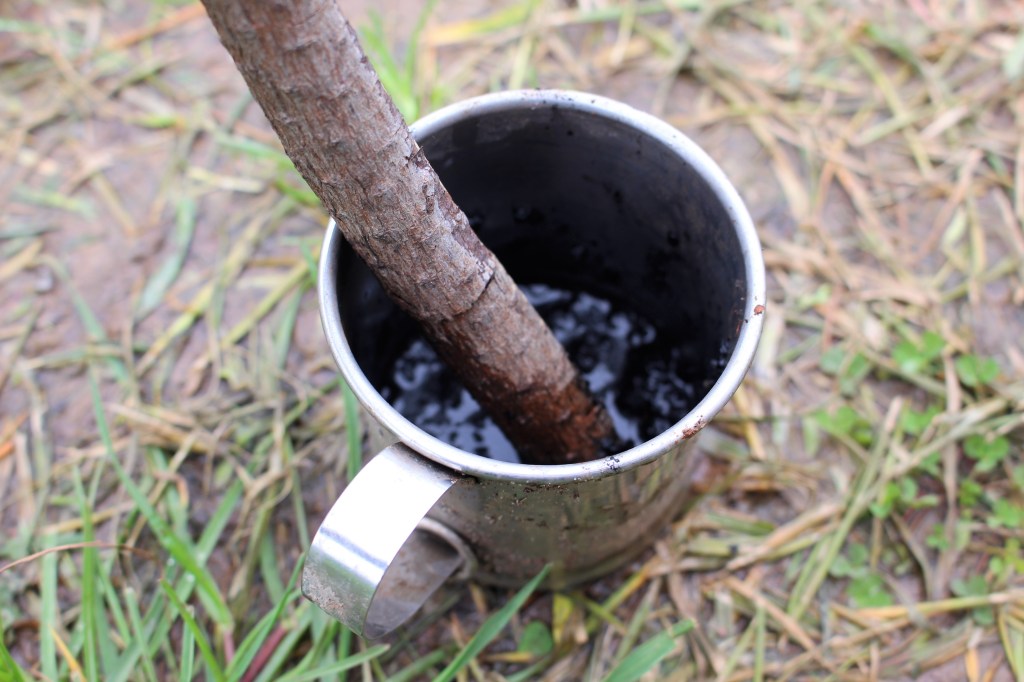
Homemade Charcoal Paint
I was inspired to make this paint after we trialed our new firepit. We made this paint using entirely recycled and/or compostable materials.
After we were finished, the paper and stick went back into firepit for next time and the paintbrushes went into the compost.

Materials
- Charcoal
- Water
- An old mortar and pestle, or a small bowl and stick
- Paper
- Paintbrush or ‘bush paintbrush’ – some gum leaves tied onto a stick works well. We used pine needles and some leaves from our over-abundant parsley!

Instructions
- Break up the charcoal into small pieces and put it into the bowl.
- Add a small amount of water and crush the charcoal using a stick or the pestle.
- Dip your paintbrush into the charcoal firmly and start to paint!

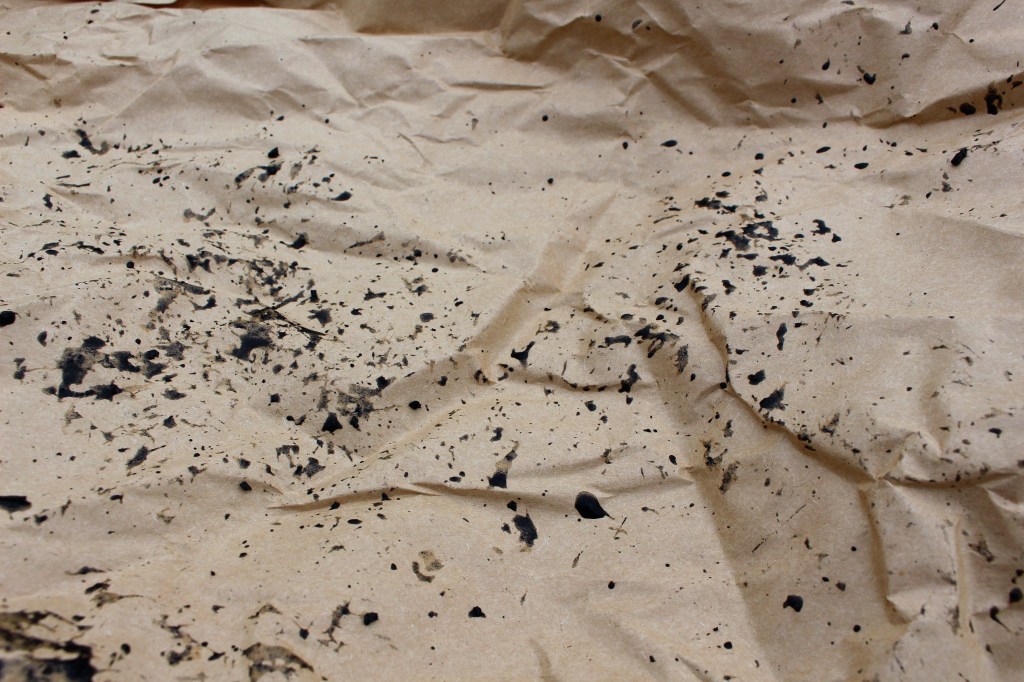
Let me know if you try this nature play activity at home.
Further Reading:
Last Child in the Woods: Saving Our Children From Nature-Deficit Disorder – Richard Louv
Why Kids Needs to Spend Time in Nature – Danielle Cohen


 The Steiner Connection