
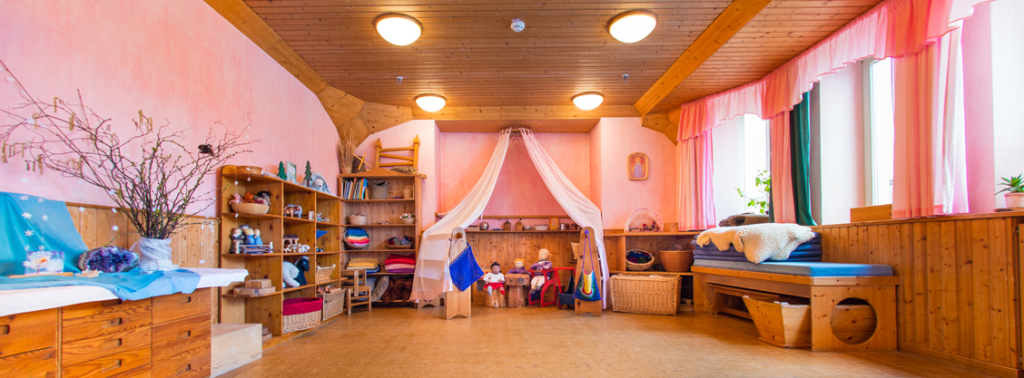
Walking into a Steiner kindergarten is a unique experience. The room is warm and inviting, the furniture has rounded edges and the walls are painted a soft pink called ‘peach blossom’. Toys made out of natural materials are displayed on low shelves, bread is baking in the oven and the children are playing freely or assisting the teacher. There is a gentle rhythm to the day, with one activity flowing easily into the next. Although we can’t transform our home into a Waldorf preschool entirely, there are certain elements which we can bring into our daily life.
1. Time to play
‘It is a happy talent to know how to play.’ – Ralph Waldo
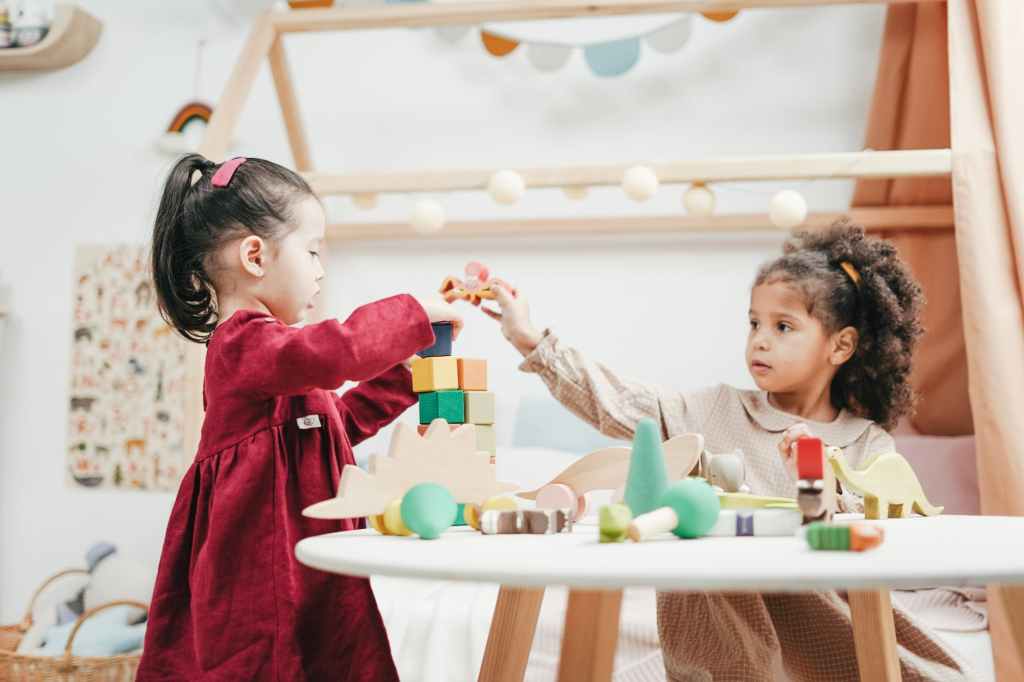
Self-directed play is an integral part of the Steiner kindergarten program. It occurs at various points throughout the day and is unguided, unstructured and largely uses open-ended toys. Free play is not led by the teacher and the teacher intervenes as little as possible, only interrupting if the play becomes unsafe, inappropriate or ‘stuck’. There is no right or wrong during free play, it is a time for exploration. Through play children can express themselves, process any difficulties they are facing and experience joy!
It can be difficult in our busy society to find the time for free play. There are activities and classes to sign up for, parks to explore and libraries to visit. Steiner explained that self-directed free play is especially important from the 3rd – 6th year of life and warned of the consequences which can occur when free play is replaced with organised, adult-led programs. He was one of the first philosophers to publicly discuss the importance of free play on the child’s spiritual development and the benefits which can then occur later in adult life.
Free play requires that the adult provides the child with unstructured, activity-free time. This will generally occur in the home environment, but it can also happen outdoors at a park or in nature. Offering a daily period of unstructured time is a great way to start developing your child’s ability to play freely.

2. Time to sing
Song and verse form another important aspect of the Steiner kindergarten program. Singing can help transitions to flow more smoothly and a short verse can bring a sense of reverence to meal times. It is a much more joyful experience to sing, ‘This is the way we wash our hands,’ rather than shouting ‘Come and wash your hands now!’ while your toddler cheekily runs around the house with muddy hands… (yes I’ve been there!)
Choosing one transition point in your day is an easy way to begin incorporating more song or verse. A hand washing song, tidying up song or a verse before eating are all great places to start. Over time and through repetition your child will come to learn what each song or verse means and (hopefully) transition easily into the next activity. There are many options for these songs and verses, and there is no right or wrong. Have a look online and choose one which resonates to you.
3. Time to create
Creating art through painting, drawing and modelling is another vital part of the Steiner kindergarten program. Participating in these activities develop many of the child’s senses, in particular; sight, touch and movement. They also develop fine motor skills and allow the child to express their inner will.
These activities are best done in an unguided manner. The parent may like to draw alongside the child, but what the child chooses to draw is up to them. The focus should be on the process rather than the end result and it is beneficial to praise the child’s efforts rather than what they have drawn. The materials used for creating art in a Waldorf setting are Stockmar beeswax crayons (block or stick depending on the kindergarten), Stockmar watercolour paints and Stockmar modelling beeswax. The best way to understand these materials is to try them alongside your child and see what the experience brings for you.

4. Time to work
During the first few years of life the child lives in the realm of imitation. They can’t help but copy what they see! Children of this age should be exposed to an adult doing meaningful work. Bringing joy into housework, cooking and gardening can help children to develop a healthy attitude towards work. Contributing to this work gives the child a sense of purpose, helps them to learn their place in the family and develops their will forces.
This work is incorporated naturally into the daily rhythm of the Steiner kindergarten program. The fruit for morning tea is chopped by an assistant and the children can choose to help. The table is carefully set for each meal. After the meal the dishes are washed, table wiped and the floor is swept. It is easy to see how this aspect of the program can be incorporated into the home environment. Rather than sending a child away to play while you clean up, see what happens if you encourage them to wash the dishes, load the dishwasher or sweep the floor. They might just surprise you!
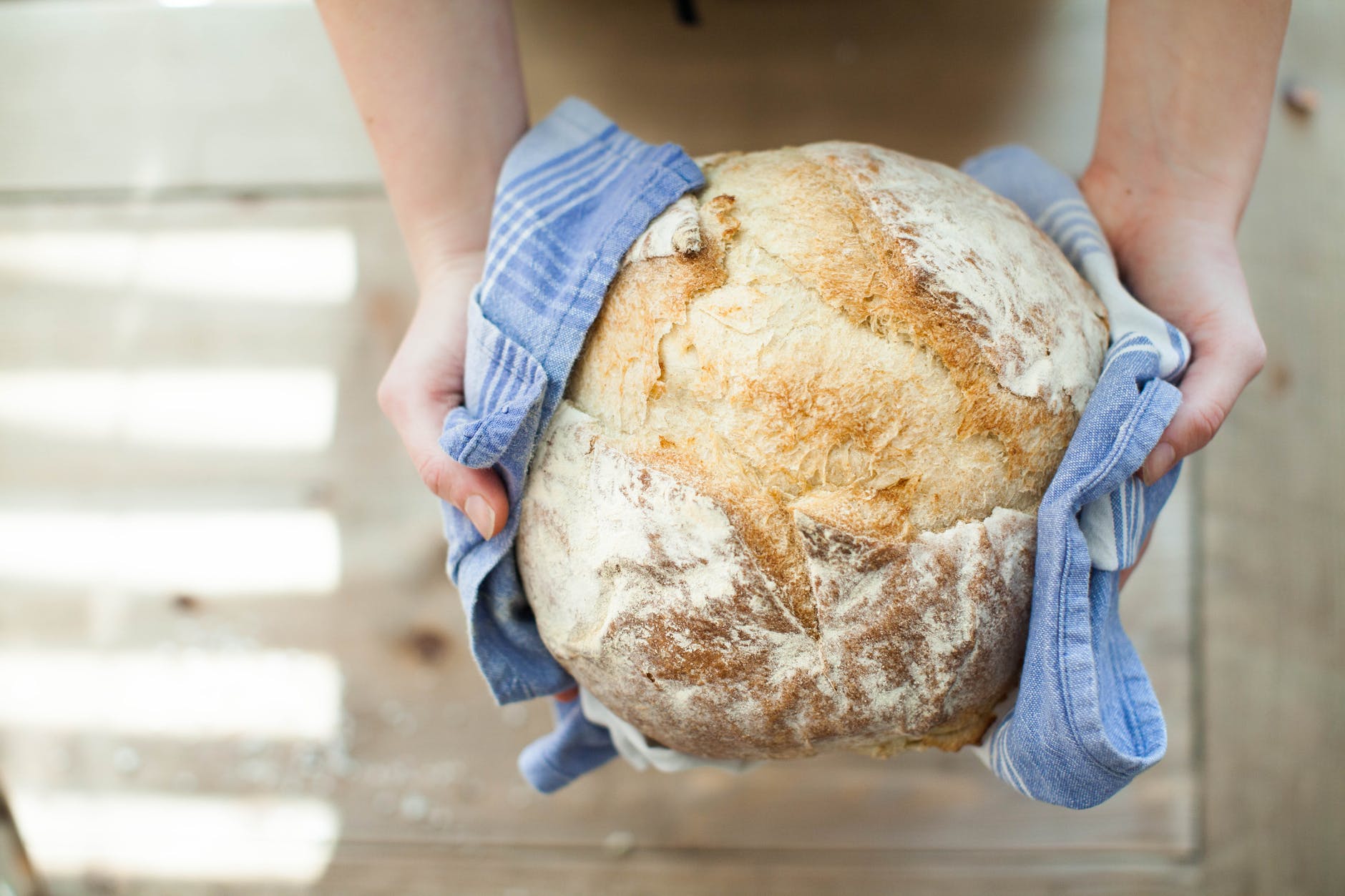
Baking bread is a common activity in Waldorf kindergarten programs and another way to bring your child into your work. The kneading of the dough is particularly good for developing the child’s sense of touch and the muscles in their hands. For young children, a kitchen helper or low table where they can get involved and actively participate in the process can be very useful.
5. Time to tell stories
The final aspect which you might like to bring into your home environment is storytelling. Storytelling plays an important role in the preschool Waldorf program for developing moral rightness, improving language skills and building imagination. It is a time when children can practice sitting still and it helps to develop awareness of what the body feels like when it is not moving.
The form of storytelling used in Steiner kindergartens is oral storytelling, meaning that the story is learnt and memorised by the teacher and then shared with the children. The same story is told multiple times (often for a week) and sometimes the teacher will use props to tell the story. The stories use rich language and often include repeated phrases. Showing a character facing and overcoming adversity is also important for children to see. Some kindergartens choose to retell Grimm’s fairytales, but often teachers will write their own stories. These stories can be made specific to the local climate or they may mirror difficulties which the children are facing.
Starting with oral storytelling can seem like a daunting task. However, there is no need to memorise an entire Grimm’s fairytale word-for-word. Find a story which you enjoy and read it through a few times until you have a sense of the story. You might like to memorise key phrases, but it is enough to tell the main story line and change some of the wording each time.
Children love oral storytelling and especially love it when adults make up their own story. These stories don’t need to be complicated, they can be as simple as recounting a trip to the park or a childhood memory. Try it and see how your child responds. Children are very forgiving if the story doesn’t go as planned!
I hope you found this post useful and that it has given you some new ideas on how to bring the Waldorf preschool program into your home. If these ideas are new to you, start small and bring in one aspect at a time. Choose one element which speaks to you and start from there. Don’t expect to include every aspect every day.
Do you already include some of these elements in your home life? Which ones would you like to try?
Further reading:
Supporting self-directed play in Steiner Waldorf Early Childhood – Renate Long-Breipohl


 The Steiner Connection