

This post is one part of a series on how to incorporate 5 aspects of the Steiner kindergarten program into your Waldorf home. Today we will focus on the art of storytelling. For an overview of the 5 aspects, click here.
What is storytelling in Waldorf Education and why is it important?
I have very fond memories of story time in my kindergarten years. Eyeing off the story table each morning to see which objects had appeared overnight and what hints they held for today’s story. The mood of anticipation which descended as the teacher lit the story candle. Listening carefully to our teacher tell the story and having vivid images in my mind. It was a magical time.
Storytelling in early Waldorf education takes the form of oral storytelling. The teacher studies the story, memorises it and then brings it to the children. Telling stories in this way encourages children to build pictures in their imagination. It appeals to the child’s dream conscious and their sense of fantasy.
This method of storytelling has benefits not only for the children, but also for the teacher or parent. The dedication required to learn and memorise a story develops our own will forces. It also benefits the child’s will forces by asking them to sit still without looking at a picture book. Their sense of movement is exercised by becoming aware of what it feels like when the body is not moving. Hearing stories where the character works through adversity benefits the child’s life sense. As the teacher delivers the story they radiate a warm and welcoming feeling to the child – developing the child’s sense of warmth and giving them a sense of belonging.
The use of rich and detailed language in storytelling helps to develop the child’s speech and vocabulary. My son often surprises me by using words which I don’t normally use in everyday speech. He recently told me that his porridge was ‘nice and hearty.’ Upon reflection I realised that I use the word ‘hearty’ when telling the Magic Porridge Pot – one of his favourite stories.
To see Waldorf storytelling in action you can view my complete retelling of The Magic Porridge Pot here.

Waldorf Storytelling Methods
In the Waldorf kindergarten the same story is told multiple times – often for a week or more. The repetition of the story helps the child to internalise the story and it starts to live deeply within them. If you tell stories once or twice a week in your home you may like to tell the same story for a month.
Stories are told in a calm voice with a warm presence. Too much emotion can be distracting for the child. The child should hear the words and create their own interpretations. Sometimes props or puppets are used, but it is very powerful for children to be able to sit and listen without the distraction of any visual cues. Often a candle is lit or a verse recited to signify the start of story time and to create a reverent atmosphere.

Waldorf Children’s Stories
There are many options when choosing which stories to tell your child. Some kindergartens use the Grimm’s fairy tales. These stories have value as they show archetypes which reflect universal human conditions. Some say that the violence in these stories is too much for young children, but others say that children aren’t affected by the violent scenes in the way that adults are. No matter which story you choose it is important that you are comfortable with the story, otherwise your child will sense your apprehension.

Archetypal stories exist in many cultures. If you want to include archetypal stories, but don’t wish to use the Euro-central Grimm’s, you can find other options by looking into different cultural stories.
Stories brought to children should provide a strong moral compass.
Steiner believed that morals should not be taught explicitly to children, but rather they should learn through the stories we tell them.
Another type of story to bring to your child is a story which you have written yourself. This way you can personalise the story to include difficulties which your child is experiencing or behaviors which you are finding challenging. Other types of stories which you may like to include are: nature stories, seasonal stories, therapeutic stories and indigenous creation stories.
Finally, consider using rich and complex language when telling stories. Hearing new vocabulary encourages children to bring these words into their speech. The stories we tell our children shape their words and thoughts, so the language used when telling stories has great importance. Often stories feature the repetition of a particular phrase or individual words – this is also helpful for language development.
How to Tell a Waldorf Story
One method of memorising the story is to read the same story each night before bed for three nights. After three nights of reading the story and processing it during sleep, hopefully the story will be living within. I find it helpful to imagine the story as I read it. Seeing the story in this way helps me to remember the flow and sequence when I am retelling it. There is no need to memorise the story word-for-word. It is enough to memorise the general outline and embellish it as you need to. I have heard of kindergarten teachers who change the story slightly each time, so there is definitely no need to perform a perfectly memorised story.

Picture Books and Waldorf Storytelling
Parents often wonder how picture books fit into the Waldorf method of storytelling. Picture books with beautiful illustrations and rich stories definitely have a place in the Waldorf home. Reading helps to develop many pre-literacy skills and can encourage a love of reading later in life. Incorporating oral storytelling into your home does not mean that you have to forgo picture books – rather they can complement one another and both have a place in the home.

Favourite Stories for 2 – 4 Year Olds
Here are some of our favourite stories. These stories are all short and quite easy to memorise, so they are good ones to start with if you are new to oral storytelling. Most can be told with simple props such as animal and doll figurines.
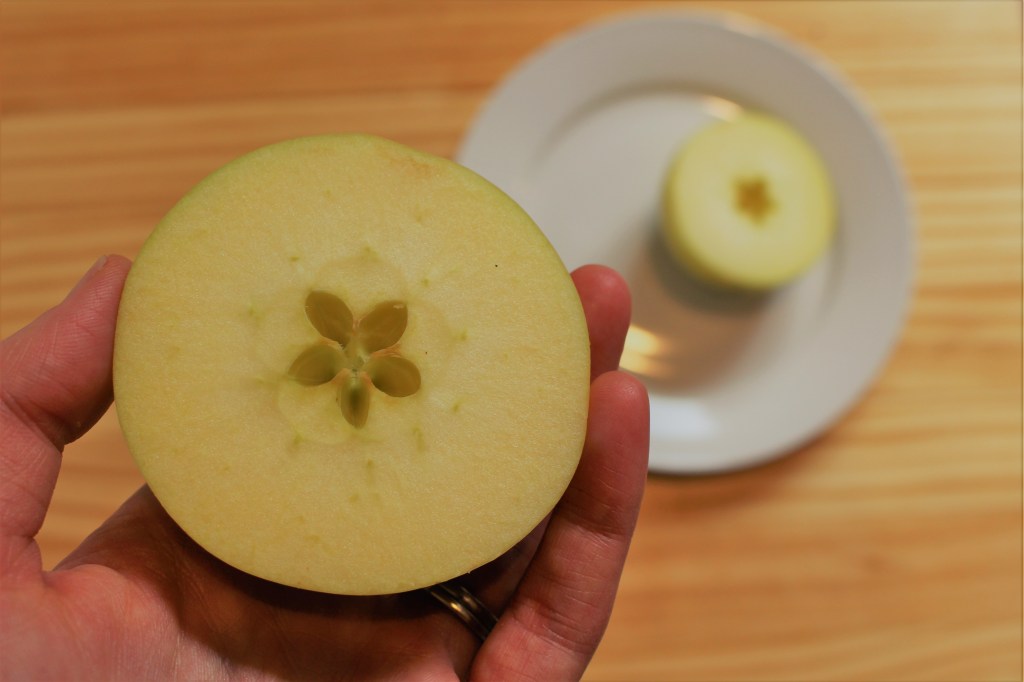
The Apple Star – A beautiful Autumn story told using an apple.
The Magic Porridge Pot – A Grimm’s fairy tale
Good Friend – A Chinese folk tale on looking out for others.
The Giant Turnip – An Autumn harvest story
The Star Money – A Grimm’s fairy tale
The Three Bears – A classic children’s story
The Three Billy Goats – A Grimm’s fairy tale
The Moon Hare – An Easter story for young children.
Still confused about where to start? Get my full retelling of The Magic Porridge Pot here and sign up for a 3 part email series with more details on Waldorf storytelling in the early years.
Further reading:


 The Steiner Connection
4 responses to “Storytelling in the Waldorf Kindergarten”
Nice article, but so hard to read white text on pale background! Would be much easier on the eyes with more contrast!
LikeLike
Thanks so much for your feedback. I’ve been experimenting with colours so it was good to hear that you wanted more contrast. I’ll keep playing around with it 🙂
LikeLike
[…] Waldorf storytelling is known to have numerous benefits for children’s development and imagination. One of the key advantages is that it promotes active listening and enhances language skills. Children are captivated by the vivid and engaging narratives, which encourages them to listen attentively and comprehend complex ideas and themes. Through the use of sensory-rich language and imaginative imagery, Waldorf storytelling sparks the child’s imagination, stimulating their creativity. Waldorf storytelling encourages children to engage in open-ended play, as they recreate and expand upon the stories they hear, fostering problem-solving skills and critical thinking. […]
LikeLike
[…] Storytelling in the Waldorf Kindergarten […]
LikeLike